EMDR Counseling, Trauma Therapy CA , Spanish Speaking Therapist, Rancho Cucamonga Counseling, Therapist in Rancho Cucamonga
Many Latina women are taught early on how to be strong.
Strong for the family. Strong for the children. Strong at work. Strong in relationships. Strong even when no one asks how they are really doing.
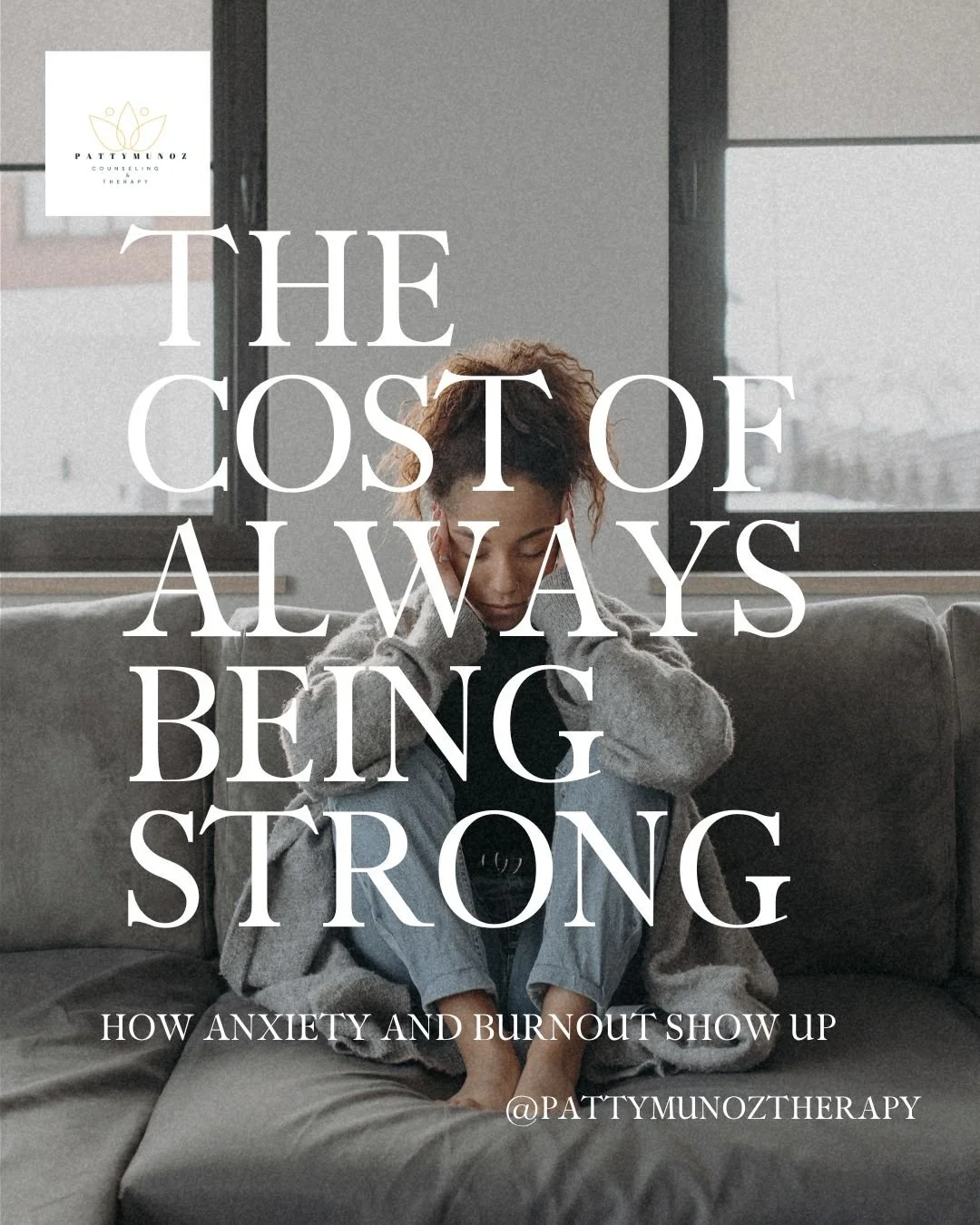
From the outside, it can look like resilience. Inside, it can feel like anxiety that never turns off, exhaustion that sleep or talking to friends does not fix.
If you are a Latina woman feeling overwhelmed, anxious, or emotionally drained, you are not weak. You may be experiencing the long-term effects of chronic stress, unprocessed trauma, and burnout.
As a Therapist in Rancho Cucamonga specializing in trauma and EMDR Counseling I see how cultural expectations, generational experiences, and personal trauma often intersect in powerful ways.
Let’s talk about what this can look like and what healing can involve.
The Pressure to Be the Strong One
Many Latina women grow up with messages about sacrifice, loyalty, and responsibility. Family comes first. You work hard. You do not complain. You handle it. More about familismo here.
Over time, constantly being the reliable one can lead to emotional suppression. You may push your own needs aside. You may minimize your struggles because others “have it worse.”
This pressure can fuel anxiety. Your nervous system stays on alert, scanning for what needs to be done next. Rest can feel uncomfortable. Slowing down can feel irresponsible.
This is not a personality flaw. It is often a survival strategy shaped by culture, family dynamics, and lived experience.
How Trauma Can Show Up in Subtle Ways
Trauma does not always mean one catastrophic event. As an Trauma Therapist in California Latina women often share that the following factors have contributed to trauma symptoms :
• Growing up in unpredictable or emotionally intense environments
• Witnessing conflict or instability
• Experiencing immigration-related stress or generational hardship
• Being parentified at a young age ( having to be a parent to siblings)
• Navigating discrimination or other systemic pressures
These experiences can shape how safe or unsafe the world feels. They can influence how you trust, how you express emotions, and how much pressure you place on yourself and if you learn to manage anxiety.
You may not label these experiences as trauma. Still, your nervous system remembers.
Anxiety That Feels Constant
Anxiety in Latina women can present as high functioning. You may excel at work while privately battling racing thoughts or panic symptoms. You may appear calm while internally bracing for something to go wrong.
Common experiences include difficulty relaxing, overthinking conversations, feeling responsible for everyone’s emotional state, trouble sleeping, and persistent self-criticism.
Anxiety can also feel physical. Tight shoulders. Jaw clenching. Digestive issues. Fatigue that lingers.
If you are searching for an anxiety therapist in California, it may be because coping is no longer enough. You want relief, not just survival.
Burnout Beyond the Workplace
Burnout is not limited to careers. Emotional burnout can happen when you have been carrying care-giving responsibility for years without adequate support.
You might feel detached, irritable, or resentful and then immediately guilty for feeling that way. You may fantasize about disappearing for a while just to rest.
As a Rancho Cucamonga Therapist I often see that Burnout coexists with trauma and anxiety. When your nervous system has been in survival mode for a long time, exhaustion is a natural outcome.
As a burnout therapist in California, I often work with Latina professionals, and caregivers who are deeply capable but profoundly tired.
Why Talking Yourself Out of It Does Not Always Work
Many high-achieving women are skilled at self-reflection. You may understand your patterns logically. You may know why you feel anxious or overextended.
Yet your body still reacts.
This is where trauma-informed therapy, including EMDR therapy, can be especially helpful. Trauma and chronic stress are not only cognitive. They are stored in the nervous system.
EMDR Counseling helps process unresolved experiences so that triggers lose intensity. Instead of constantly managing anxiety, your body begins to feel safer.
As an EMDR therapist in California, I approach this work with warmth and cultural awareness. Healing is not about rejecting your strength. It is about softening the parts of you that have been bracing for too long.
You Are Allowed to Need Support
One of the hardest shifts for many Latina women is accepting that needing help does not equal weakness.
You can love your culture and still acknowledge the pressure you have carried. You can honor your family and still choose boundaries. You can be strong and supported at the same time.
Therapy can become a space where you do not have to perform strength. A space where you can feel, process, and rest.
What Healing Can Look Like
Healing does not mean losing your resilience. It means gaining flexibility.
It can look like:
• Feeling calmer in your body
• Setting boundaries without overwhelming guilt
• Sleeping more peacefully
• Trusting your decisions
• Experiencing joy without waiting for something to go wrong
• Letting yourself receive care
If you are looking for a Rancho Cucamonga therapist who understands trauma, anxiety, and burnout through a culturally attuned lens, you do not have to navigate this alone.