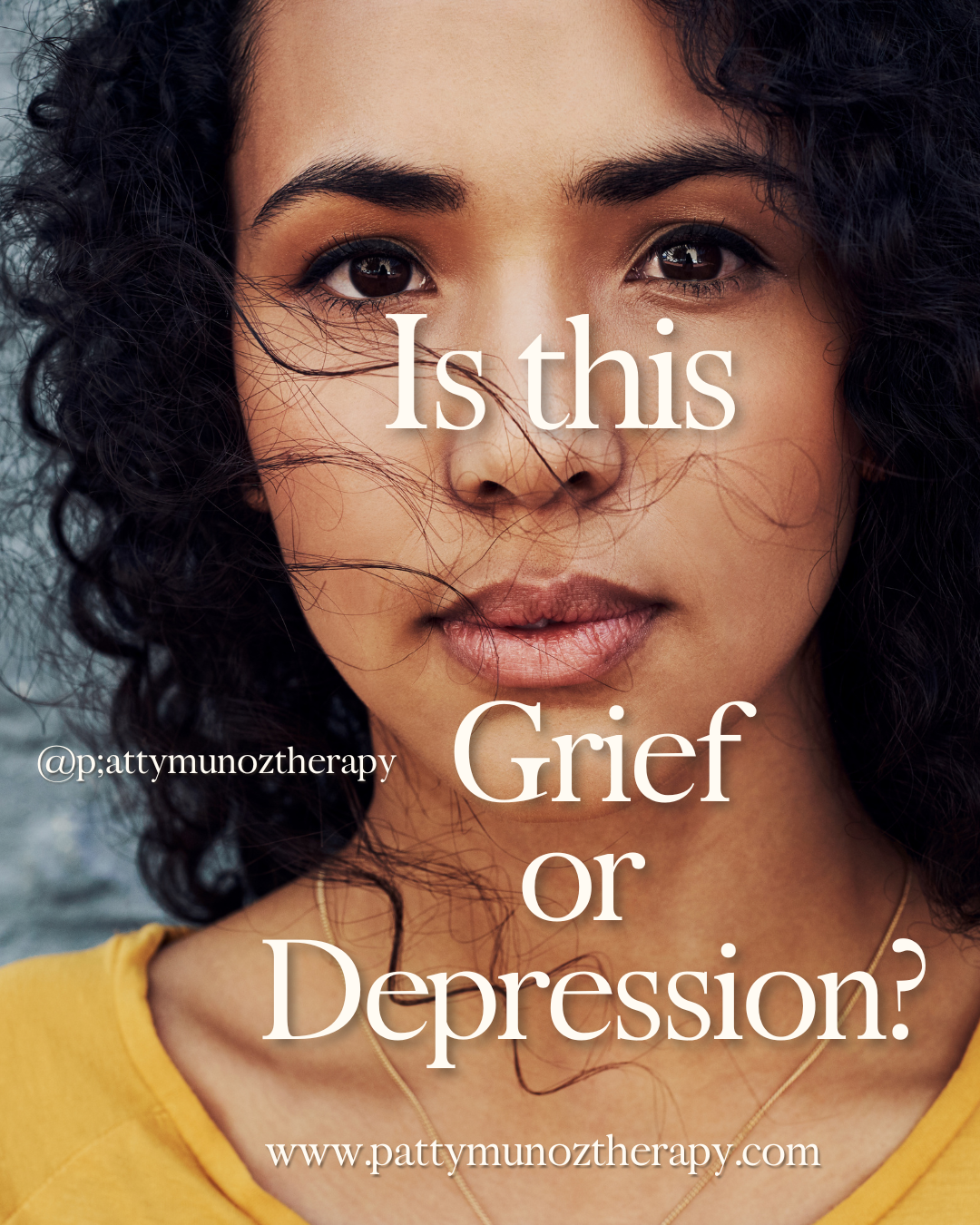
Is this Grief or Depression? By a Rancho Cucamonga Therapist
Rancho Cucamonga Therapist EMDR Therapist California Burnout Therapist CA Anxiety Therapist CA
Grief and depression—two words that often find themselves entwined in the language of sorrow and suffering—are, in reality, distinct emotional experiences with unique causes, expressions, and implications for our well-being. In a world where pain is often misunderstood or even dismissed, knowing the difference between grief from those of depression can help illuminate paths to healing and support. In the Latinx community we often talk about being “de luto” or being “in grief” after the death of a loved one. As a therapist I have seen how culture can shape how one grieves. For example, in some Latinx families one year of grieving is considered acceptable and even encouraged. This can contrast from the mainstream American way of managing grief which often only allows a weeks to a few months of grieving. When managing grief culture plays an important role on the support we may receive and what we perceive as “normal”. This blog aims to clarify the differences between grief and depression, offering insight and hope for those who are struggling or supporting someone on a difficult journey.
Defining Grief and Depression
Grief is a natural emotional response to loss. Most often, it is associated with the death of a loved one, but grief can also arise from the loss of a relationship, job, home, health, or even cherished dreams. It is a process—a journey through waves of sadness, longing, and adjustment. Grief is, at its core, an expression of love and attachment.
Depression, on the other hand, is a mental health condition. While it, too, is characterized by deep sadness, depression is more pervasive, persistent, and less directly tied to a specific loss or event. It can arise without an obvious cause, or it may be triggered by life changes, stress, trauma, or even biological factors. Depression affects not just mood, but also thought patterns, energy levels, and physical health. Unfortunately, there may be more stigma in the Latinx community attached to having depression versus grieving. It is important to know when someone may have depression and that there is support for both depression and grief.
Symptoms: How Do Grief and Depression Feel?
While both grief and depression can look and feel similar, especially in their early stages, there are important differences in their symptoms and trajectories.
Grief
· Sadness with Context: Grief is largely tied to the loss experienced. Feelings of sadness, yearning, or emptiness are most intense when thinking about the person or thing that is gone.
· Waves of Emotion: The emotions of grief tend to come in waves. There may be moments of laughter or even joy in between the sadness, especially when recalling positive memories.
· Preserved Self-Esteem: Grieving individuals typically maintain a sense of self-worth. While they might feel regret or guilt about aspects of the loss, they don’t usually feel worthless or hopeless about themselves overall.
· Desire for Connection: Those who are grieving often seek out support, comfort, or company from friends, family, or community. There is a longing to talk about the loss, to remember, and to be supported.
· Physical Symptoms: Sleep disturbances, changes in appetite, and fatigue can all be present, but they are generally tied to thoughts of the loss and improve with time.
Depression
· Pervasive Sadness: A person with depression feels sad, empty, or hopeless most of the day, nearly every day, often without a direct link to a specific event for more than two weeks.
· Loss of Pleasure: Depression robs enjoyment from activities that once brought happiness. Even positive events bring little or no emotional relief.
· Impaired Self-Esteem: Feelings of worthlessness, excessive guilt, or self-loathing are common. The person may feel like a burden or believe life is not worth living.
· Withdrawal: Rather than seeking comfort, someone who is depressed may withdraw from relationships, activities, and responsibilities.
· Physical Symptoms: Sleep problems, appetite changes, fatigue, and problems with concentration are often severe and persistent, impacting daily functioning.
· Thoughts of Death or Suicide: In severe cases, depression can lead to thoughts of self-harm or suicide, which is a medical emergency.
Grief Can Trigger Depression—But They Are Not the Same
The relationship between grief and depression is complex. For some, the pain of a profound loss can trigger an episode of depression, especially if there is a history of mental health struggles, or if the grief is complicated by other factors (such as traumatic circumstances, multiple losses, or lack of support). It is important to remember, however, that not everyone who grieves becomes depressed; and not every episode of depression is preceded by grief.
Mental health professionals distinguish between “normal” grief, “complicated” grief (also known as “prolonged grief disorder”), and depression. Complicated grief occurs when the process of mourning is stalled or becomes overwhelming, lasting for many months or years and preventing a return to normal functioning. Depression, on the other hand, is less about the lost person or thing and more about a generalized sense of despair.
Why Is the Distinction Important?
Understanding the difference between grief and depression is crucial for several reasons:
· Appropriate Support: Grieving people benefit from empathy, patience, and a safe space to express their feelings. They may not require medical treatment or therapy unless their grief becomes complicated.
· Effective Treatment: Depression often requires professional intervention, including therapy, lifestyle changes, and sometimes medication. Mislabeling depression as simply “sadness” can delay much-needed help.
· Reducing Stigma: Recognizing depression as a medical condition reduces shame and encourages people to seek support, just as they would for a physical illness.
· Listening and Validation: When we know the difference, we are better equipped to listen, validate, and provide what our loved ones need—whether that is a shoulder to cry on or guidance toward professional care.
When to Seek Help
It is normal and healthy to feel deep sadness after a loss. But if the pain does not subside with time, interferes with daily life, or is accompanied by feelings of hopelessness, worthlessness, or thoughts of self-harm, it is important to reach out for help. Mental health professionals can provide accurate diagnosis and effective strategies for healing. No one should have to suffer in silence.
Warning Signs That Go Beyond Grief
· Persistent inability to function at work or at home
· Loss of interest in all or almost all activities
· Intense feelings of worthlessness or guilt
· Ongoing social withdrawal and isolation
· Thoughts of suicide or death
Healing, Hope, and Compassion
Whether you are grieving or experiencing depression, know that your pain is real, and you are not alone. Grief is, in many ways, a testament to love—a healing process that, with time and support, often softens. Depression is an illness, not a weakness, and it is treatable. Compassion, patience, and understanding—both for us and for others—are the foundation stones of recovery.
If you or someone you love is struggling to distinguish between grief and depression, or if you are worried about your mental health, reach out to a health care provider, counselor, or trusted support network.
Healing is possible, and help is available. We offer a free 15-minute consultation. Contact us here or call (909) 206-4613. We offer therapy in person and virtually throughout CA info@pattymunoztherapy.com. By understanding the differences, we can offer the right kind of support—whether that means sitting quietly in the presence of pain or encouraging someone to seek professional help. In the end, healing begins with compassion: for ourselves, and for each other.