PTSD Signs That Go Unnoticed: By a Trauma Therapist CA
EMDR Counseling, Trauma Therapy CA , Spanish Speaking Therapist, Rancho Cucamonga Counseling, Therapist in Rancho Cucamonga
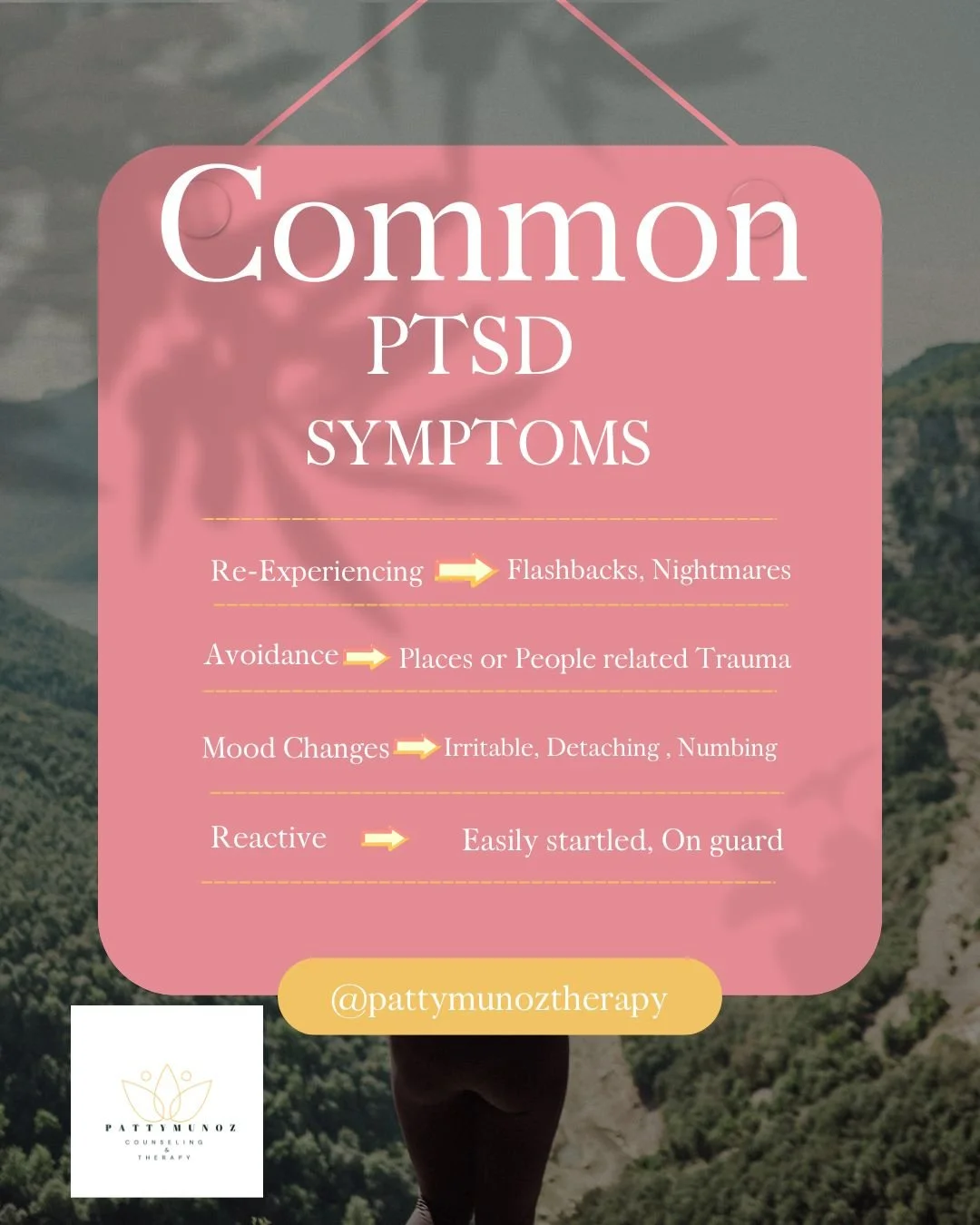
When most people think about PTSD, they picture dramatic flashbacks or extreme reactions. What often gets missed are the quieter, everyday symptoms that many high-functioning adults live with for years.
If you have ever wondered whether your anxiety, irritability, exhaustion, or emotional shutdown might be connected to past experiences, you are not alone. Many people normalize their symptoms because they have been carrying them for so long.
As a Therapist in Rancho Cucamonga who specializes in trauma and EMDR therapy, I often meet people who say, “I thought this was just how I am.” In reality, many of these patterns are trauma responses, not personality traits.
This post is not about diagnosing you. It is about helping you gently recognize patterns that may deserve support.
Emotional Symptoms of Trauma That Often Go Unnoticed
Trauma does not always look like panic attacks or intense emotional breakdowns. Sometimes it looks like emotional flatness. Sometimes it looks like overreacting to small things and feeling confused afterward.
Common emotional trauma symptoms can include:
• Feeling easily overwhelmed or overstimulated
• Irritability that feels disproportionate
• Emotional numbness or difficulty feeling joy
• Sudden waves of shame or self-blame
• Anxiety that feels constant or background-level
• Feeling detached from your own emotions
Many adults who experienced trauma learned early that expressing emotion was not safe or helpful. Over time, the nervous system adapts by either turning emotions up very high or turning them down completely.
Physical Symptoms of Trauma
Trauma is not only stored in memory. It is also stored in the body.
You may notice chronic tension in your shoulders or jaw. Headaches or digestive issues that flare up during stress. Difficulty falling asleep, or waking up already feeling on edge. Fatigue that does not improve with rest.
Some people experience a racing heart, shallow breathing, or a persistent sense of urgency even when there is no immediate threat.
When the nervous system has been on high alert for a long time, the body can forget how to fully relax. This is especially common for people living with untreated PTSD or long-term anxiety.
Working with an anxiety therapist in California who understands trauma can help you learn how to regulate your nervous system rather than just manage symptoms.
Relational Patterns That May Be Trauma Responses
Trauma often shapes how we relate to others, sometimes in ways that are subtle.
You might struggle to trust people, even when they have not given you a reason not to. You may feel hyper-aware of other people’s moods and adjust yourself to keep the peace. Conflict might feel threatening rather than uncomfortable. Or you may shut down emotionally when conversations feel too vulnerable.
Some people become highly independent and avoid asking for help. Others feel intense fear of abandonment and overextend themselves to maintain connection.
These patterns are not character flaws. They are relational strategies that once helped you survive.
Healing does not mean changing who you are. It means having more flexibility and choice in how you show up in relationships.
Symptoms That Are Often Misunderstood
Trauma can also affect how you think.
You may experience racing thoughts, difficulty concentrating, or memory gaps around certain experiences. Negative self-talk can become automatic. You might assume worst-case scenarios or feel constantly on guard.
Some people struggle with decision-making because their nervous system interprets choices as high-stakes threats. Others feel foggy or disconnected, especially when stressed.
These cognitive patterns often improve when trauma is processed and the nervous system feels safer.
High-Functioning with PTSD and “Invisible” Trauma
One of the most overlooked experiences is high-functioning with PTSD. You may have a career, relationships, and responsibilities that you manage well. From the outside, everything looks fine.
Internally, however, you may feel exhausted from constantly monitoring your environment, managing anxiety, or pushing through emotional discomfort.
Many professionals and caregivers experience this combination of trauma symptoms and burnout. They are capable and competent, but rarely fully at ease.
As a burnout therapist in California, I often work with people who are successful but silently overwhelmed. Trauma-informed therapy can help address the root causes rather than just surface-level stress.
You Do Not Have to Label It to Get Help
It is important to say this clearly. You do not need a formal PTSD diagnosis to seek support. If your symptoms are interfering with your peace, your sleep, your relationships, or your sense of self, that is enough.
Therapy is not about assigning labels. It is about understanding patterns and creating space for healing.
EMDR Counseling and other trauma-informed approaches can help your brain and body process experiences that still feel unresolved. Over time, many people notice reduced anxiety, improved emotional regulation, and more clarity in their thinking.
When to Consider Reaching Out
You might consider speaking with a therapist if:
• You feel chronically anxious or on edge
• You avoid certain places, conversations, or memories
• You feel emotionally numb or disconnected
• You are exhausted from always being the strong one
• You wonder if your past is still affecting your present
You do not need to wait until things get worse. Seeking support early can prevent symptoms from deepening.
A Gentle Next Step
If you are reading this and recognizing yourself in these patterns, that awareness matters. It does not mean something is wrong with you. It means your nervous system has been working hard for a long time.
As a Latina Therapist in Rancho Cucamonga and EMDR therapist in California, I specialize in helping Latinas navigate trauma, anxiety, and burnout in a way that feels safe and empowering.
If you are curious about whether EMDR therapy could help you, I invite you to schedule a free 15-minute phone consultation or call (909) 206-4613. This is simply a conversation. You can ask questions, share what you are experiencing, and explore whether working together feels like the right fit.
You deserve support that honors your strength and gently helps you heal.